Showing posts with label cost of care. Show all posts

Friday, October 3, 2025

The Self-Inflicted Damage of Economic Euthanasia

With all of the layers of dismay present in vetmed, (and life), today it might be the perfect time to start asking some very hard/challenging questions. It might be time to start questioning the accepted excuses and practices others have told us are "just part of the job."

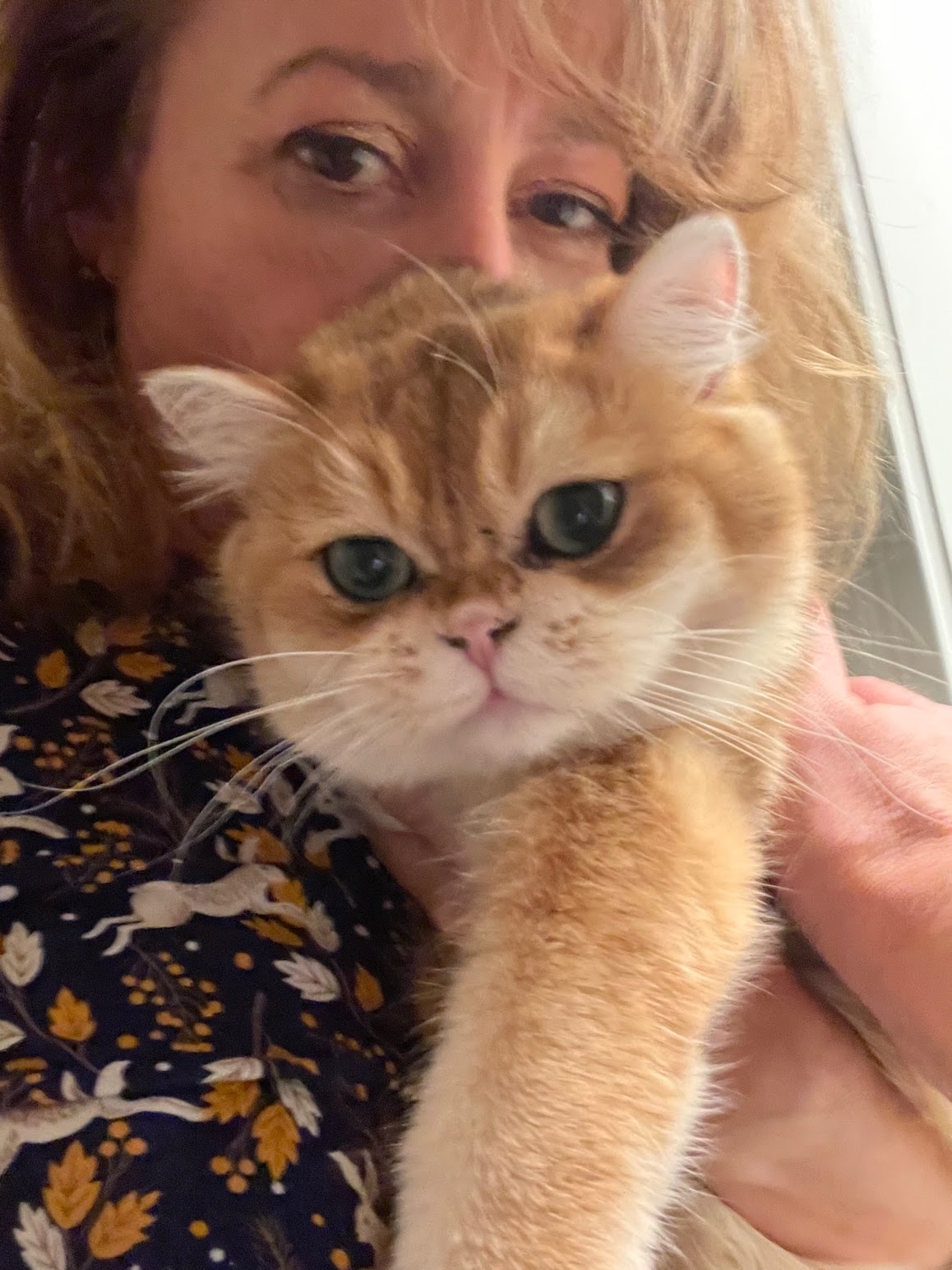
My beloved Raffles


For me, 20 years into private practice, it is time to start asking if economic euthanasia costs us all too much? Is it even ethical? Is breaking everyones heart and denying our patients value worth what we are asked to concede for profitability?

Now I know some of you are going to start chiming in about suffering, and your God complex, but, if you want to practice medicine without the liability and responsibility ownership provides than I would ask you to be a pet parent and a consumer before being the judgemental pessimist with the ability to end a life that might be the most important part of another human beings life?

The degree of conflicting inconsistencies and our redirected aggression because of the pitted opposition between profits and compassion is crippling. We know this, we just don't admit to being able to change, or even influence it. How did we become so powerless to the forces that motivated us into this profession? How did we lose our inner purpose to meet others agendas?

Butterfly


We, ok, all of us in the small animal arena, came here to save animals. To make the lives that comfort, console and inspired the longs days, and nights, of study worthwhile. We accepted the debt, the dedication, and the sacrifices vetmed asked of us. For too many these sacrifices brought with them concessions. Maybe a contract with a boss you never really meet? A doctrine of numbers to adhere to. A whole bunch of subliminal whispers that taste like Kool-Aid and wash over your soul seeking solace.

How did we get a place where a pyometra surgery in a middle aged, mid-size dog at a big corp specialty can be $18,000 while the experts at the HVHQ clinics call it a spay with a $200 price tag? There is no way that any of us would tolerate being the pet parent/consumer on the other end of this quandary and not be pissed off when we cannot produce the 18k and weren't told the $200 option existed. I have hundreds of similar examples. Each one fiercely and furiously debated on both sides. The problem is that within each is a pet who likely was someones everything. The bigger problem is that this part of the equation is not held as the ultimate factor in deciding how to get the care that matters to the pet parent. If you think economic euthanasia is an acceptable reality in vetmed than you would be offering it before you offered a treatment estimate with a comma included. Any profession that wants to tout itself with the ability to provide organ transplants, dialysis, pacemakers, and every other medical specialty has elevated their own sense of power to a place that cannot also include death by lack of transparent, full disclosure options at the onset. (,, and where is that social worker who works only for the patient?). The dichotomy and incongruity has cost us the most important part of any medical toolkit; trust. I'm not even sure we can trust ourselves anymore to look into each patients eyes and see the power their presence brings to our own humanity.

With the passing of Jane Goodall it is even more clear. Every single life holds the power to shape everything that follows. There is no greater value than life and we are all equal in our reliance upon each other.

Nexus


I wonder how many of us really challenge the inherent inconsistencies we get asked to swallow? The foie-gras of the corporate stockholders expectations? Is it possible to wear your vulnerable heart on your sleeve everyday and still know we are a hero because of it? Do we see ourselves as the little girl facing the posturing, charging bull, head on fists squarely on our hips, chin up and mocking; "I dare you to budge." Is it possible to pay down that debt without surrendering your soul in the process?

I know it is. I know it is possible to challenge the ethics of bebarking, declawing, terminal surgeries, adoption of the lab beagles after the study is complete, and feel good about the life after the normal accepted practices are abolished and retired. Our vet clinics can still be financially secure if we don't provide the ear cropping/tail docking. We can save ourselves as we decide to "do no harm." So many of the once "acceptable" practices have fallen into the history books. Why now can't "economic euthanasia" fall away with them?

Can we all join our collective hopes together and start a wildfire of change in the current climate?

Maybe only because we haven't felt broken enough, angry enough, brave enough, or kind enough?

Cookie


Sunday, October 9, 2022

Dying With The Absence Of Intentions

"Two options," I usually start with telling clients that they have two options for their pets care when they come to see me. The operative word here is usually. I should have started this blog by saying "used" to. I used to say that there were two options when at the clinic. And here's why I now need to stop assuming there are only two options,,,

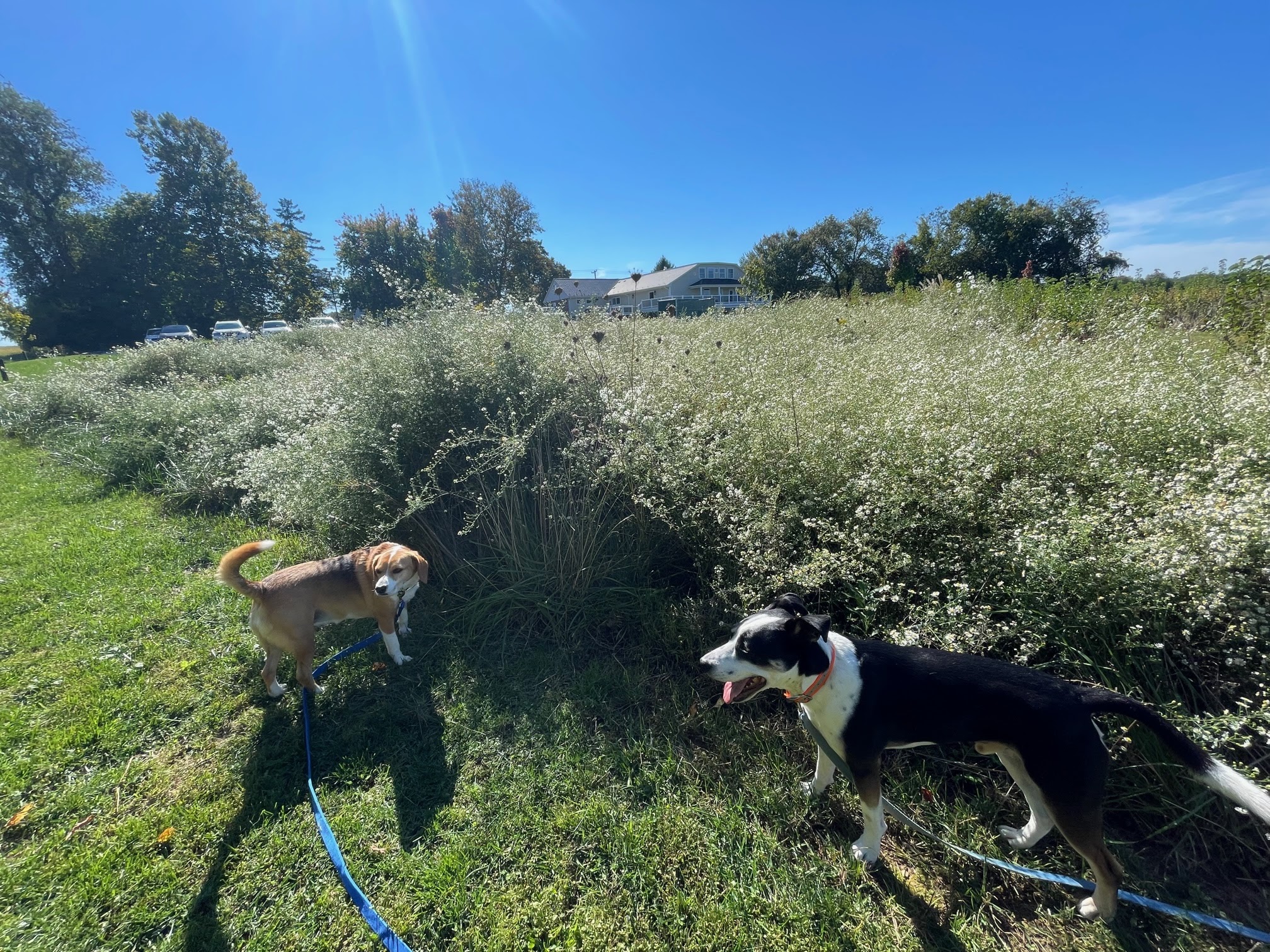
My pups play in the last rays of Summer sunshine and humming fields of daisies.

On Sunday I saw a client with a dog who looked like she had already passed away. A lifeless mass of fur laying without any sign of life. Her name was Lily, she was emaciated, laying on a blanket on the floor and not responding to anything happening around her. She appeared as a dirty, dusty, weathered coat of dull black poorly draped over a boney protruding skeleton of what a dog used to be. She could barely lift her head. She was so weak, sad, and weary looking that I assumed if she wasn't already gone she was surely here to be put to sleep. Where I had not previously realized that there are more than two options when at the vet clinic, I have learned that you shouldn't ever assume a pet parent sees their pet with the same veterinary trained scrutiny and collective experience to guide your prognostic indicator as I possess. So many people are so deeply emotionally embedded in their pets lives that they can't see their pets suffering, death, or the looming vultures of either at the cost of breaking their own hearts to say goodbye. There are times where I have to explain this in painstaking, emotionally devastating detail. On this particular Sunday I had two dogs who had arrived at the exact same time, and looked to be in the same predicament. Both were old big black dogs who couldn't stand, react, or show much of any signs of existence. They were dying, and they had been here in this pitiful state for quite some time. I also had about 20 other patients waiting to be seen. It was a Sunday. We are open for walk-in appointments for 2 hours, 1-3 pm. It was a bright idea (or so I had thought) about 15 years ago, or, as we all measure time now, before COVID changed vetmed into a war zone. Since COVID my Sundays have become the "open-to-all-neighborhood-ER." It's insane. Every single Sunday. It has gotten to the point where almost all of the people I see are non-clients, and all of the say the same thing; "I've been waiting for the ER to call me back to say my turn is up in another 12-24 plus hours." If these dogs have looked like this for over a day (and let's be honest I know they have) then the face of vetmed is no longer wearing a compassionate white coat. 

Our clinic vagabond, Saffie. Mostly trouble, occasionally demanding attention,
and almost always sleeping on the job,

The two women who sat behind Lily as she was slipping into her coma were sisters. Lily had been diagnosed as a diabetic over a year ago. The medical record was a list of missed appointments, phone calls left without follow throughs, and proposed diagnostics that hadn't been done to manage her disease adequately. Diabetes is a disease that leaches persistently. It can be managed with a huge amount of effort on both the clients and vets parts, but, it is a slippery, encumbering beast. Even people do a miserable job of managing their own diabetes and they have endless easy wearable tools to help monitor and guide them. Dogs get diabetes from eating crappy food and being too sedentary. It is incredibly difficult to convince a diabetic junk food addict couch potato to eat better and exercise. Old dogs/new tricks, the analogy is applicable. The two sisters loved Lily, it was obvious from the beginning. They never looked away from her as I spoke to the tops of the backs of their heads as they bowed over her stroking the dry brittle coat. (To this day I am not sure what their faces look like?). I could hear them sobbing. The assumption that Lily was here to die was so pervasive that the front staff had immediately placed the party of three in our comfort room, (our less veterinary medicine looking room that has real furniture in it). It also has its own entry and exit and a long bench for multiple family members to congregate.  There are two crystal light fixtures and multiple boxes of tissues. 

Hamilton

Lily didn't move as we carried her from the comfort room into the treatment area. She had lost over 20 pounds since her last visit which was many months ago.  Her breath smelled like nail polish, her eyes were not registering our movements, the foreignness of this place, or the sounds that made it so obviously worrisome to the other patients. She just lay on the stainless steel exam table absently.  I stroked her head and whispered into her ear that she would be "ok." While she is my patient and I have work to do on her, samples to collect and observations to assess her condition, she is also a heartbreaking site to see and a dying girl to protect. In this moment, in the place where patients are away from their families, on a stainless steel table, weak, and dying she is all I am here for. All I have ever strived to be, become, and exist as. At this moment she is one and all. The singular soul that mine is devoted to. It is at these times that I wish our hospital was like those old episodes of ER. The scenes where a caring, kind nurse stands over the patient clasping their hands and telling them calmly that they "will be alright." Why can't I have someone who tells my dying patients that? Someone to just be the angel and not the judge, jury and executioner too? 

In the treatment area we quickly discover what I had already presumed; Lily is massively dehydrated and her brain and body are being intoxicated with polluted ketones, which will slip her into a complete coma and kill her imminently. She needs immediate and aggressive help. She needs a highly trained veterinary emergency facility that can treat her for a minimum of 3-4 days, and even with that her prognosis is abysmal. She is too far gone and too sick. I tell her moms this. I do what I very rarely ever do, I tell them they should alleviate her suffering and say goodbye. They tell me that they have no money to do anything past $500. Lilly needs about $10,000 of care. I try to ease their grief and pain by saying that even with this it is vey unlikely she can survive this with much quality of life. They tell me that a transfer to the ER is impossible because of the cost. I leave the room so they can spend some time with Lilly and process what I have said. I move on to the other 19 cases waiting for me.

The war room,, aka treatment area.

I came back some time later to a very quiet room. 

Lily's moms weren't able, or ready, to say goodbye. So we did what we could for her. We gave Lilly all of the quick patch band-aids that I could. I dumped a massive amount of fluids under her skin, gave her an antibiotic, anti-emetic, and an injection for pain. I essentially given her all of the options I had without being able to hospitalize her. I had given them instructions to continue her insulin and they had agreed to bring her back first thing the next morning for more care. 

Lily, her moms and the mass of 19 other cases came, and went, (both black dogs went home). Although I leave the clinic for the evenings at home, it never leaves me. I carry it, the weight of every patient, their plight, and the families who love them with me. I dream about them. I wake up with surges of adrenaline coursing through me. I head to work each day ready to slay a dragon that medicine is and fate wins at. I prepare for battle everyday knowing I buy time, never destiny.

Vela. Our latest rescue effort. 
Her story to follow soon.

Lilly did not show up the next morning so I called to check on her. I had expected that they would tell me that she had passed away over night. Instead they told me that she was up, eating and walking, and therefore they wanted her to stay at home. I was so relieved to hear this, and yet, worried for what today, tonight and tomorrow would bring. I begged them to bring her back to us to run some blood work, give her another round of the medications we had done the day before. I reminded them that these had helped, and without them she would be back where she was 18 hours prior. They said that they wanted her to pass at home. They didn't want anymore medical interventions. It seemed that they were very upset that I had helped her the day before and that they no longer wanted interference. 

So here I am at option number three; People show up for care at your vet clinic, but, they don't want your help. Since when was this an option? Why did they drive over to the hospital, check in at reception, wait in a room, wait for me to explain her condition, agree to all of the treatments we gave her, and then get angry about it all 24 hours later?

I was dumbfounded on the phone. I could hear the anger in their voices, the betrayal that they felt I had provided them all. I paused. That long pregnant, my brain can't quite process this, pause. I offered them financial assistance to get Lilly some much needed medical care. I got back more anger. We were both doubling down and Lily was going to lose another round.

While I understand passing at home, hospice care, and the deep swath of divide we all feel about the act of dying, I also feel compelled to speak on behalf of the patients I have who cannot. In some cases I have to remind myself that I am bound to picking sides. I have to chose humans over my patients if there is a viable fear that the patient might impact the humans life.. (think rabies, aggression, etc). Then there are the cases I can't discern neglect and cruelty within. Do I honestly feel that Lilly is suffering? Yes, 100%. Do I feel her moms can care for her? No, even though they love her so much. Does the degree of love supersede the obligation to put our pets well-being above our own? Can passing at home without any kind of pain management ever be peaceful? Fair? kind? I don't know? I didn't know for Lilly. I told her moms that. 

I do think that a key part of my job, and everyday,
is kissing every dog and cat I come across.

They hung up on me. And then they went public and called me some really hurtful names. 

Maybe its me who needs that nurse holding my hand?

P.S. I have changed names and details.,, I feel that I have to, this is a diary on display. 


Saturday, August 27, 2022

Permission in Veterinary Medicine. When Is It Not In The Best Interest Of The Patient, and Why Not?


The start of today's NYC 10k

Permission is one of those words that come seasoned with disdain. It’s a word spiced with hierarchy. Flavored with rank, status, and inherently poised to provide unwritten, un-equivocated submission to being less than, therefore in need of,,, permission.

It’s a silent caste admission. A way to assert while it sentences subservience. 

Hamilton. One of our best examples of compassion and not needing permission.
When you are unwanted its not relevant or pertinent,, at least to me.

Permission in medicine, the human variety, occurs at almost every level of care. Today I was running a race and right in front of me a fellow runner was broadsided by a bicyclist going about 40 mph. He hit her so hard that she was sent flying and landed like dead weight on the asphalt. She was unconscious for 20 minutes. In that time three doctors rushed to her aid (2 md's and a veterinarian from N Maryland). Without any consent her clothes were cut off and she was hooked to a defibrillator. We held her hand, kept our fingertips on her pulses and called an ambulance. Passerbyers flocked quickly and everyone was directed to keep clear. We placed her in a neck brace, slipped in an i.v. and began collecting vitals. It took 5 minutes to get an EMT and 20 for an ambulance. She was still barely conscious as she was transported into the ambulance to be brought to the hospital.  This is how we would all want to be treated. Right? A freak accident occurred, people immediately jumped in to help, and life saving care was not given one second to allow for a poor outcome. This is how it should always be, right? There are things we can do to help with pain, disease, and even immediate emergencies and we help? Well, let me tell you about vetmed. Vetmed is all about consent from the first second to the last. Consent requires permission. Permission is the crown wielding the fate.


Permission is where fate meets traffic signage.

Permission in my experience rests on spousal influence. I wish I could feel that permission rested on ethics, soul designation, and the inherent irreplaceable value that is the truest level of devotion and companionship any of us will truly have,,, but it isn't. It is so often about control. There are broad sweeping generalizations I could pepper in here, (most apply spot on), and much makes reminds me daily to be so grateful I have financial independence. Control/permission, the lot is an ageless reminder to women that their voice carries a 2/3 vote. It’s the acceptance that the purse-strings are provided with a budget in mind. It’s that one thing that drove me to not becoming my mother. Permission is that one last vestige of inequality that manifests at the vets office. Permission is as venomous to me and a chastity belt and a maiden name. I have given up asking for permission. It places me back, mentally and emotionally, into a time and place where skirts were too tight and white gloves were fashionable. Permission implies ownership, deference, and allowance for others that is far too generous.


Permission was something my mother needed too much of. She was resentful because of it. And I learned to never want to be in her shoes. It is quite simply the reason I went to vet school. I see it a lot, (too much quite honestly) in my day-to-day vet med life. It makes me seethe inside. It breaks me, daily. Why, why do so many of us need permission?


I have been married for decades. I know the difference between conversation and negotiation and compromise and permission. Permission denotes control. When it comes to pets, their lives, and the precarious place they hold value, permission turns into earnest negotiation and pleas for mercy.

..end of the 10k. Frippie and Storm are happy to see me!

It’s a high wire act founded upon compassion and rooted in property replacement values. Very rarely does permission for care hinge on sparing from pain. Occasionally permission to treat manifests around a lunatic discussion of perceived appropriate care. Last week it was the trapped barn cat caught on the vet clinics property. Small, frail, afraid to blink, or move a muscle and the neighbor who believes he is a wild animal and therefore does not deserve veterinary care. He will either be eaten by a predator, injured by a rabid animal, get and possibly infect other cats with FIV, or continue to live his life full of fear outside. They feed him by the way. They refused to give me permission to vaccinate, neuter and provide flea prevention. I am reminded of the saying about “good fences” although how many of these are cat proof?

Jeezy,, he loves me,, he loves me not,, it kinds goes like this with him.

Permission to provide pain management post operatively was a battle for the first few years of practice. I had to absorb it into the cost of the surgery to make it appear as if it wasn’t a line item that was negotiable. Permission for analgesia? Yeah, not under my scalpel. Permission is the most precarious part of vetmed. It may not seem so obvious but it is. Permission to help is often used as a wedge to drive price points. I admit I do this too often. Where I am strong in my ability to not show, ask, or desire permission my deference to advocating for a patient’s well-being lies in my willingness to negotiate anything for my desire to obtain permission. I will wheel and deal more cunningly than a used car salesman. I will wager the house to heal. I do it daily. I have amassed coffers of contributions so large there isn’t anything I can’t give away for free. I have turned my disdain for seeking permission into a black and white disclaimer of empathy. Still with this there are those who won’t provide care regardless of whether or not they have to pay for it. That’s the ultimate control. The ultimate heartbreak, and the ultimate reason I am not a veterinarian to all, in spite of all who need one.

Peggy. Allie's rescued kitten

Personal Note; please remember what the title of my blog is. It is my diary. The place I put everything I try to sort, package, and categorize when it lays bubbling under the surface of a profession I feel so passionate about and the lives of the patients who cross the threshold of my small town vet practice and eat away at my heart for the plights they face. I have come to be paranoid about euthanasia requests. Not because I don't feel they are warranted in so many cases, but, because they are also totally unwarranted in far too many. I have come to despise permission and the inherent control it inflicts.


Sunday, July 3, 2022

rsity doesn't Include Inclusion. The Division In Vet Med That Exists When We Talk About Access To Care, And Vegans


The world reminds us to look inward and ask ourselves how we, the little tiny ant of the mound that is this planet, influence the behaviors of the rest. Now, at this time when the pandemic wanes, the invasion of Ukraine dominates the news, and the ever-increasing faces of color peppering the professional rags and conferences reminds us that others should not no longer be marginalized, and the Supreme Court further divides the able from the oppressed, I wonder how far have we really come? For the many in vet med who refuse to recognize the invisible challenges, countless extra steps, and years (if not decades) of extra that are required to be seen, never mind deemed, a ‘colleague” there is no possible way we will convince them of the patterns, biases, and inherent hate that too many above inflict on too many below.

Diversity only happens when one oppresses the other, or a chair is pulled from the table to invite another in peaceful kindness. I don’t see a lot of this in vet med. I have rarely if ever, and 30 years in, I still do not. Even with the diversity we are inheriting amongst us.

For my own journey in getting into veterinary school I know that being white left options others didn’t have. I admit it with humility and shame. I was allowed, or more aptly granted permission, because I was a white woman with an anomaly. I had a path behind me that set me apart. I was already established in a career overwhelmingly dominated by men, and making more money than anyone in my vet school admission interview. That simple fact left me unafraid to break glass ceilings, dig my steel toed boots in, and stand strong face to face challenging them to exclude me. It worked. It worked at the academy I went to college for, the sea life I spent working in for 10 years, and the getting into and out of vet school. It has not, however worked for the life after graduation from vet school. I would still call myself a pariah of this profession. I am not wanted, nor welcomed IF I chose to be true to who I am. I am not alone here, but, we are not big enough, loud enough, or protected by any organized facet of the society we live in. I would most compare it to a religious sect without federal recognition, save for the fact that assigning a religious undertone is equally disgusting.

I wonder if this is the rejection of diversity, or, the lack of inclusion? I wonder how much the division, exclusion, and alienation empowers versus subdues?


I was speaking to a friend affiliated with the profession. He is not a veterinarian. He, like every other human who is not a veterinarian, is flummoxed by the assertive defensiveness that is elicited when I show my face in a veterinary forum. I am not included, often harassed, and I often wonder if it has made me stronger and more contentious about staying within the ranks and file as complicit in our negligence and neglect that so often leads to suffering and death? How often do we look away when a patient needs us but cannot afford our compassion? How often do we deny them of analgesics when all else has been declined, or become too expensive to provide? Why aren’t we charged with the same awful labels we denigrate our negligent, too poor to be privileged with a pet, lacking in responsibility to warrant pet ownership, it’s not a right labels? Why aren’t we taking some of the blame? Why do we still wonder why the public has become so enraged by our lack of compassionate access to affordable care?


In my opinion we have to stop trying to explain why our life is so hard that we cannot be kind and understanding to other people’s struggles. We have to take ownership in the fact that the cost of our care is priced out of much of America’s ability to pay for it. Maybe we should start explaining how $100,000 sign on bonuses aren’t a part of the problem? Maybe we should keep trying to convince heartbroken pet parents that the life saving surgery their pet needs would cost 10-100 times what it does in the human forum. That will settle the angry masses, right? No, it won’t. It doesn’t matter what kind of excuses, deflections, blame and accusations we make, we are creating a profession that increasingly only serves the wealthy, which in this country is still the white and the fortunate. We are not opening our inclusion to anyone; we are increasingly excluding the people and the pets who need us most. We cannot try to become a profession where everyone is welcome just because we all share a love for pets when we alienate so many on both ends of the leash.


Sunday, January 23, 2022

No one should ever have to choose. When we, the practice owners, cover the cost of care for employee pets.

I was on a veterinary hospital owners FB page the other day. While there a veterinarian practice owner posed a question to the group. It was essentially a long drawn out description about an employee with a specific patient ailment which led to the question; 

When should the veterinary practice help a staff member with the care of their own personal pet?

I was a little taken back by the responses. Most, (I am sure they are classified as "well managed" aka the varsity letter for "highly profitable"), clinics had some long verbose lawyer-ey written up explanation for what discounts staff get and when these apply. It was all very cut-dry-to-the-letter. It was sadly indifferent and cold. In essence there was an algorithm set up in advance to "assist" with very anemic access. A discount is given, but a yearly cap was also applied. In essence, for most veterinary hospital employees who can barely cover their own housing and food costs it would never be enough to help in a bad case of any pets ailments.

Bica gets a hug of reassurance.

I read the feed, chewed on it all night, and the next day replied with the following;

"Why do we set our staff up to fail? What the hell is this "accountability over compassion" crap. The culture breeds indifference and neglect and yet we spend every professional moment trying to harbor the exact opposite with our clients? We know what we pay our staff and we know they cant afford the care we expect our clients to bestow upon their own pets and it is incongruous." (,,and I wonder why other vets don't like me,, ugh, Krista. Shut up more often, or, at least try).

Every staff member at my clinic JVC is treated like family. Yes, we are dysfunctional, and, yes, we are imperfect, but when I take you on as a staff member I help you take care of your own family. In return we all collectively take care of the patients in need within our sphere of influence. 

Kissing my Seraphina goodnight.

If your staff can't afford to care for their pets at your practice I challenge you to think about whether you are a part of the problem that separates the ultra rich from who you are? Telling me that you cannot afford to pay them what they need to to protect and care for their family indicates that you either take too  much off the till, don't charge enough for your goods and services, or, you have lost your way in a profession built upon an oath to serve.


And as soon as I had finished this article I make the mistake of perusing Facebook;

Here's what I found one of my family-staff-members had posted.


..to which multiple other staff members; (you know the same ones I just called "family" above write the following;

"very true"

"I feel this"

"Yes! That's why I'm broke and happy. lol. No more pushing myself too hard." (she quit a few months ago.

"truth"


...and I wonder why so many other vets sell to corporate? Why not cash in and dump your family? 

Rio. I live, and, live for this smile!

I am almost two decades into this profession. It has not been an easy road. But, I think that above all else is the fact that no matter how hard you try, how much you invest of yourselves, people look out for themselves first. I am at peace with this, even as I try everyday to convince them to help those who need us desperately, without judgement for the sake of being true to our purpose and mission. As I try to unite them in one small walk of faith into a place of putting others always before ourselves.

My end of Summer 2021 family photo

I wrote a truly pathetic self-pity blog a few weeks ago about how tender my feelings have become. I believe that the more I convince myself to hold onto this somewhat delusional dream of being a practice owner who still cares much more than she profits, that I could inspire a whole team to do the same. That is the hardest pill to swallow... that it might be contagious for a short time, the desperate case of the day timeframe, but, it might not have legs long enough and strong enough to endure. it wont be the heartbreak of losing cases that I turned away, or declined to help, I never did that, it was the investment in others that never got returned. its the fair weathered friends who will always see you as just their boss. The person who is the unwanted guest at the party. The enemy. The person who makes more money than you do, who profits from the labors and yet cant ever be one of the group. That's the hardest part. Just being lonely and still trying to stay the course of what you think is the right thing to do.

This profession, this place that I hold, leaves me constantly questioning. Who am I? What do I want to be remembered as? And, how can I shape the world, and my little community in a positive way? Even if it isn't always sunshine, rainbows and easily recognized?


If anyone, truly, anyone comes and asks for help we need to remember the following;

First, that is is our calling. Our chosen profession. The place where being needed is also being depended upon. You can't have one without the other.

Instead of being annoyed at the pet parent, the situation, the road to however they got here, we just remember there is a soul in need. We focus on that. 

We offer help in all of its forms. medically, emotionally and, yes, in some cases financially.

As it always is we start at, and end at compassion. The value resides here, and very often the cost of care can be managed adequately so that we all feel we didn't fail our pets from there.

And lastly, it is imperative to every human who loves a pet companion for them to feel hope. If we take away this whether it be in the form of excess cost, lack of access, or apparent indifference to their plight, we lose our ability to keep the staff who keeps us viable and capable. 

Give more than you have to and expect nothing in return is a good motto to live by.

The good life as modeled by my dog Storm


Thursday, December 16, 2021

Leave Funds Available For Euthanasia. The things vets say to each other that would appall the pet parents they serve.

On a Facebook page for vets to assist other vets I saw this comment. It stopped me in my tracks. It also made me question where this profession is at, and, whether we want to change our collective persona. It was also another reminder that the veterinary world that I live and work in is a far cry from what others do. 

Storm in his holiday cheer

There are numerous Facebook groups dedicated to vets helping other vets with difficult cases, and, of course the clients that come along with them. It is our international social media network for vetmed advice. This particular post, like many of them, was about a perplexing case with a client who had limited resources, or as we like to coin it, "financial constraints" aka no money. Most of these cases have the typical presenting facts; dog, age, breed, spayed/neutered, pertinent history, along with presenting owner concerns, and, veterinarians physical exam findings. This particular case involved a cat who was having trouble breathing. Scant details about patients history, (and/or details the vet thought the client was withholding to look better; think marijuana, drugs, illegal ingestion or access to stuff), and therefore vet really only had that and their physical exam findings to go on. This is an all too common scenario. People show up with a very sick animal and little-to-no details about how, when, why, or even last time the pet saw a vet. Think; umm? don't know how long the pet has been like this? Don't know when, or if ever, it saw a vet? Don't know if they could have gotten into something (like weed or toxins)? Don't know when they last ate, or, went to the bathroom? Or any tiny tidbit of relevant helpful information to assist in this case. Turns out the vet thought the chest sounded too quiet, (indicating there might be fluid in the chest making breathing harder, and hence, breath sounds absent). When a client without any money for things like x-rays, or a chest tap (to try to remove the suffocating chest fluid) the patient has little help of getting help because the clients didn't have enough money to allow for the most basic of diagnostics. It happens with almost every case. We make do with little diagnostic dough on a daily basis. It is almost impossible for me to try to explain how hard practicing medicine is when you don't have the liberty to run tests.. like any tests. Even the most basic/cheap diagnostic tests. Try to analyze a sick, almost lifeless non-verbal being with just your eyes, ears, hands, and nose. We do it all day every day. We also get convinced to guess so much that it too often makes us believe that we are truly very good guessers. I dare say we are too often cocky with our presumptive diagnoses as there is no one to prove us wrong. The clairvoyant diagnostician with no data to ever prove us a charlatan.  

What was most shocking to me about this particular post wasn't that people weren't giving the advice I give my vets (which is listed below), but, worst of all that one vets advice was to; 

"not spend all of the clients money so that they could no longer afford euthanasia." 

I suppose I am deeply and ethically perplexed that this is valid advice. I also wonder how many of us veterinarians live here in this place where mercy only comes with a price tag? And, why would we want to? Aren't we being both neglectful and hypocritical if so? Aren't we both absent in our compassion towards our patients (and no, I did not say client,, because we all know that we love to punish them), but also hypocritical in our own advice of "it's neglect if people get a pet that they cannot afford?" Can we really be so cold and cruel to allow suffering if it doesn't make us money? Don't we dish that judgmental sputum daily? Blame the pet parents when their pet gets sick because they couldn't prevent the preventable? And then deny them a compassionate end when they run out if resources to permit it? Aren't we complicit in promoting negligence that perpetuates suffering because we do not offer affordable euthanasia's? I know of some places that charge $400-600 for euthanasia. (It is $125 here at my clinic). If you cannot afford it, AND, (big and here!) if we truly believe that it is in the pets best interest to be euthanized, should we then be doing it for free? Are we really reminding each other that we should spare the $600 to help save the pet so that we can euthanize them profitably? 

Holy Crap where has this profession gone?

I don't (and won't ever) add the cost of a euthanasia into the cost of a patients care. I also don't list it as a treatment option. It's an option, as it should be for every living being that suffers in dying, but lets not elevate it to a "treatment". It is not the last line item in the long list of charges for both goods and services that I feel the patient will need to get better. After all isn't that our primary goal? Getting patients better? Aren't we all collectively responsible for helping pets get and feel better? No veterinarian should withhold euthanasia due to cost. And yet it seems we do? I have never even considered adding/budgeting/listing this on an invoice when a patient is at the clinic asking for care. As if the tally of the 'total cost of care' needs to include this? Is euthanasia part of our "care" package? I am not arguing that it isn't, but, I am asking why we make room for this at the expense of doing what we all came here to do? Am I asking for too much room? Too much compassion? (Yes, probably). I am asking for a sliding scale of care. You know the kind that gives you a "freebie" euthanasia when financially warranted after a client has exhausted the meaningful list of possible curative treatment options. A rewards program of sorts so that we can care for pets by making them better versus incentivizing euthanasia. How many times do we send animals home to suffer while they die because we used up all of the funds beforehand? Doesn't that sound cruel? How can we preach being ethical and responsible and then send pets home suffering for our economic gain. Let one vet get charged with intentionally cruelty when they deny affordable euthanasia. Then maybe our collective conscious would outweigh our judgmental pragmatism. How sad that it might come to this?

Frippie, sock thief.

When veterinarians wonder why the state if the profession has come to this place where we can boast of our astronomical suicide rates, or, having made the worst return on investment possible by profession decision, or, the fallen trust status we used to boastfully proclaim, it is no wonder that we struggle and suffer to the degree we do. We created it. We are responsible for it, and now we wonder how to repair it? 

To my fellow veterinarians out there.. (whom I suspect will be pissed at me for my publicly stating this viewpoint) argue with me all you want.. and, then ask yourself whose side you are on? Who do you serve? If you said yourself, then ask yourself how she thinks that is compassionate care giving to be proud of.. ?

Zeba and Honeybrook waking up from surgery. Kept in kind oversight by Michele.

The following is the list, (long, short, detailed, and just silly I suppose) that I wish my mentor had given me before I started practicing vetmed. This profession is too reliant on learning hard lessons. Trial by fire, and thrown in to see if you can swim. For a profession too settled upon self doubt in the face of loads of guessing prognoses, not to mention our imposter syndrome frailties alongside the suicide factor it isn’t appropriate any longer. We can, and need, to do better.

Home at the end of a long adventure in the park.

The vet practice I bought has had a 17 year history of this sort of practice owner advice. My advice to the vets who follow. I keep the list growing. Accumulating pearls of practice to pay forward. A playbook for the other doctors and our staff. It consists of permission slips, warnings, and some basic ground rules as we all try to live within this landmine filled landscape full of wet noses, heartbeats and heartbreak trying to keep healthy the most important lives in other humans lives. We are just like them. Us, the veterinarians and staff, and them, our clients. We love our pets as the lifeblood to our souls in need of companionship, purpose and joy. It is imperative to always remember this.

My Frippie sleeping guard over our tree.

To the veterinarians and staff of Jarrettsville Vet, I ask you to ponder these;

I would like to start by saying one thing that I hope you hold true and tight to your heart. You have to be brave enough to be vulnerable and courageous enough to fail. Too many of us let our fear apprehend us. Too many lives slip away because of this. Jump in! Challenge yourself and be both proud and hungry for the next. Invest yourself into every patient every single time. Sometimes you will walk away with only that. And that is always enough. The rest is short loved transient and holds little value.

Likability matters. In medicine it is the single first influence to motivate your success. Smile. Engage. Offer more than you have to, and, more than the rest do. You can risk vulnerability but the reward more than makes up for the soft spot exposure.

The secret to the report card (the summary of the pets visit that we send home from every examination); it is the measure of your time with your patient. Let it reflect it accurately and definitively. People need a tangible piece of the experience. It is also the ticket to the next stop in many cases. Let it be the road map for where you came from, where you are and where to go next.

I summarize the report card as having the following key pieces in each;

  • Summarize the exam findings. 
  • Provide your presumptive diagnosis, or worst case scenario. State them both. It is our responsibility to hope for the best and prepare for the worst. This is life, both happen.
  • List the diagnostics or measures to confirm this. i.e. “our next step is blood work, xray, u/s. Etc”
  • Provide guidance as to what to do next, i.e. “if this, then that.” I tell every client what I expect and when I expect it by. I also leave a timeline. i.e. “if the coughing isn’t better in 48 hours call me. If the coughing leads to open mouth breathing, or is intractable, go immediately to the ER.”
  • Give estimates for the suggestions you make. Use the support tools provided to generate this estimate. 
  • Talk about payment options. We all too often just assume people have excessive disposal income. 
  • Help people understand the journey. Be the guide and the sherpa.
  • Lay out the plan but keep the focus on the needed steps to getting their pets quality of life back. I.e. do not exhaust resources so that treatment is out of reach. It sounds scary I know, but, if you think a pet is dying and needs surgical intervention, or, medication to survive and resources are tight, skip whatever diagnostics you have to to allow curative treatment to occur. 
  • Never paint a picture you can't back up if the case ends up being the worst possible scenario. Being caught off guard, or, letting a pet suffer because you didn't educate the client in what to look for is negligence and makes us complicit in that patients suffering. 
  • CYA every day and every interaction. We are dealing with disease. Potentially deadly diseases where many can be passed onto humans. We also have this sticky situation of having to protect the people around our patients. Dangerous dogs, feral cats, zoonotic vectors, and human limitations to the "ideal at home treatment" plans. 
  • Always be honest. It's ok to apologize. It is always right to make it right. In some cases I just say that, “what do you think I need to do to make it right?” There is a drought of admission of responsibility in vet med. This too must change. We aren't fallible humans when we cannot be honest and culpable. 
  • Pro bono is allowed. Anytime or place that you want to help a patient (or even client) for the sake of helping we will support you. Take a free radiograph to look for pulmonary edema vs a met lesion if it means you can sleep better at night. There is a serious mental health issue in vet med... don't let the few scant dollars it takes to help you feel better about what you are doing here preclude you from resting just a little easier at night. These cases follow us.. the dark shadow. The grim reaper at 2 am, is there a price for these? Yes, but don't let a few give-away diagnostics be the culprit. I promise that what you give away comes back 10 times over. You can tell the appreciative and needy from the rest. And to be honest there aren't many who will take advantage of you when they know that you are here because you care about their pet with them.

Here’s where we fail people. We don’t explain enough. Talk.. talk,, talk… but try to be clear and concise.

Two of the 52 cats we helped to save in our most recent pro bono endeavor.

  • Take good care of the staff, they will return it in spades. You may be in that white coat at the head of the line but there is an Army behind you.
  • Clean up after yourself. You look like a jerk if you are too good to get dirty, or, think that you are above it. 
  • Ask for help. It is available everywhere. Us (the other vets), our broad network of specialists and referrals. (Hey, psst,, did you know that there is a whole enormous group of specialists out there that can give your vet free advice? So, if they tell you they don't know what's going on, or, need help figuring it out ask them if they asked for help from the vet team that supports them. i.e. referral lab, online specialists, Facebook groups. The vets who invest and care will utilize these for the benefit of their patients. If your vet isn't one of these move).
  • Don’t send out a referral without a head up as to what they should expect once they get there. Most often this is the price tag, but, it might also include diagnostics which they might be unaware of. Explain as much as possible. Call for estimates, then tell them they are welcome to come back to us if the options from the specialists don't meet their needs. 

Clarke. One of the many faces that I find purpose in this cause.

  • Everything is offered a referral. Everything. If they don’t trust us, if they are worried to "don't know what to do paralysis", or, if the molehill looks like it might have a mountain of ugly behind it, CYA and refer. I have a "three times I try and then I punt" rule. If I can't figure it out within three visits I punt to a specialist. Or, I at least strongly encourage/offer. Everyone's time is precious. Further (brace yourself) we are not always such impressive/perfect guessors.

I hope this list grows. I hope that others add to it. Maybe we can all learn from each other and we don’t need to trip so often to remind ourselves who we are or what we are capable of.

Most of all I hope that we remember how powerful the love of a pet in our lives is. That we hold it sacred and feel honored to be caring for each other and giving as much, if not more, than we receive with the spirit of our pets unconditional love to guide us and serve as the inspiration for us to follow.

Jennifer, the Office Manager and our beloved clinic cat Seraphina.
For more on Seraphina read her story here.

If you are a pet parent struggling I am here to help. You can find me at my veterinary clinic Jarrettsville Veterinary Center in Northern Maryland, or, for free pet advice meet me at Pawbly.com.


References;